Canada Courses 2026: The Shortest Route To Your Next Credential
Pick a job, a licence or a test. Each guide shows what the credential costs in Canada, how long it takes, and which body has to recognise it before an employer will.
Most searched: PSW Electrician IELTS Smart Serve Data Analytics
Find Your Path In 3 Questions
Answer three questions and the shortlist rebuilds from the guides on this site. Timing comes from each guide's fastest route research; when a guide has none, time does not change its rank.
Showing the most searched guides.
Which Field Do You Want To Work In?
Start from the work you want to do. Counts show how many guides are live in each field today.
- Business And Finance29 guides
- Healthcare27 guides
- Technology26 guides
- Languages And Immigration15 guides
- Trades14 guides
- Degrees And Academic13 guides
- Workplace Safety11 guides
- Law And Public Safety10 guides
- Education And Childcare9 guides
- Beauty And Wellness8 guides
- Creative And Design8 guides
- Transportation And Logistics8 guides
What Are The Fastest Credentials You Can Earn In Canada?
Short credentials with a published length and price, taken from the research behind each guide. Fees vary by provider and province, so open the guide before you book.
| Credential | Typical Time | Cost (CAD) | Guide |
|---|---|---|---|
| General Workplace Defensive Driving Course (Online) | 1 to 2 hours | $40 to $100 | Defensive Driving |
| Online classroom course | 1 hour | $39.99 | Fire Extinguisher Training |
| Transport Canada Basic Operations | 1 to 2 hours exam | $20.34 | Drone Pilot Licence |
| Smart Serve Retail Online Training Program | 1.5 to 2 hours self-paced | $24.95 | Smart Serve |
| IELTS General Training Test | 2 hours 45 minutes | $350 | English Classes (ESL) |
| PTE Academic for study/SDS | 2 hours | $360 | PTE (Pearson Test Of English) |
| In-person or classroom WHMIS course | 2 to 4 hours | $90 to $150 | WHMIS |
| Online boating safety course and test | 3 to 5 hours | $30 to $70 | Boating Licence (PCOC) |
| Canadian Red Cross BLS Provider Course | 4 hours (blended or in-person) | $70 | Basic Cardiac Life Support (BCLS) |
| Online self-study course + exam (BC Serving It Right) | up to 4 hours | $40 | Serve It Right |
Why Try A Coursera Course Before You Commit?
Fiona's rule of thumb is simple: test a field cheaply before you pay for a full program. A few weeks of real coursework tells you whether you enjoy the daily work of data analysis, coding or bookkeeping, long before a college deposit is due.
A Coursera certificate is not a provincial licence. Regulated jobs such as electrician or personal support worker still need an approved program and, where the province requires it, registration with a regulator. Each guide says which body controls that step.
Which Canada Courses Guides Do Canadians Read Most?
Ranked by how often Canadians search for each topic.
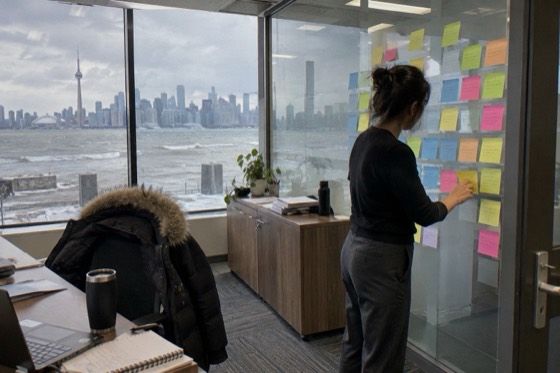 Business And Finance5 PMP Online Course And Program Options For Canadians In 2026The fastest realistic route is 24 months of documented project leadership with a bachelor's degree from a GAC accredited program, 35 hours of…
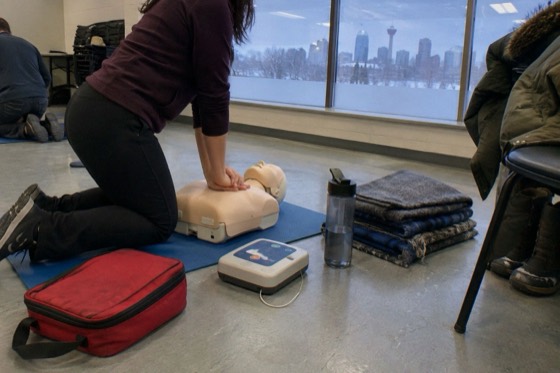 Workplace Safety8 Best CPR And First Aid Courses For Canadians In 2026The fastest realistic route is the blended Intermediate First Aid course with CPR C and AED at St. John Ambulance: 16 hours split between online…
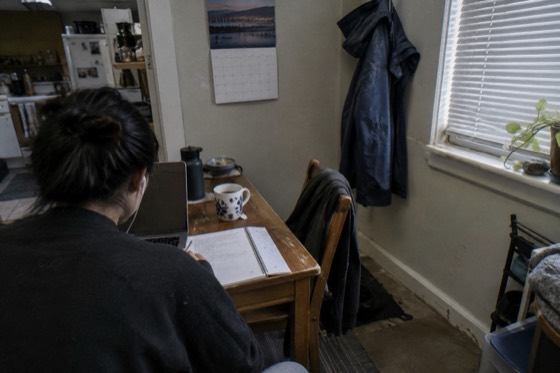 Languages And ImmigrationIELTS Exam In Canada 2026: Cost, Scores And BookingThe fastest realistic route stacks pack figures end to end: a free official practice test (1-2 days), a seat 1-4 weeks out, targeted prep at $0-500…
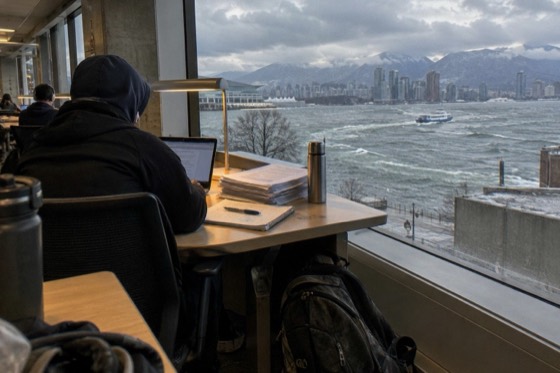 Degrees And AcademicMaster's Degree In Canada: Routes, Costs For 2026The fastest realistic route is a 1-year course-based master's at a public DLI: 12 months and $15,000 to $40,000 in tuition, versus 2 years and…
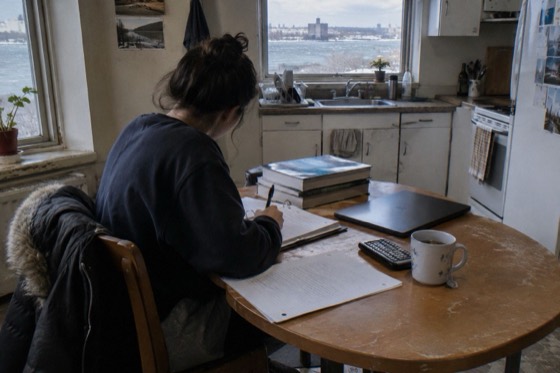 Degrees And AcademicBachelor's Degrees In Canada: Routes And Costs 2026The standard direct route from high school is a 3 to 4 year university bachelor's; if you already hold an eligible college diploma, a completion…
 HobbiesCooking Classes Near Me: Canada Guide 2026The fastest route into cooking classes in Canada is a studio booking: registration takes 5-15 minutes and a class at Cozymeal or 360 Cooking Studio…
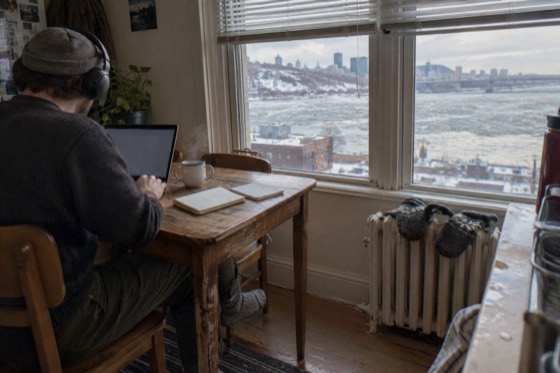 Languages And Immigration8 Best Online French Courses For Canadians In 2026Fastest realistic route: a free CLIC assessment, then CLIC en ligne with immediate access after approval, both at $0; add a TCF Canada sitting ($392…
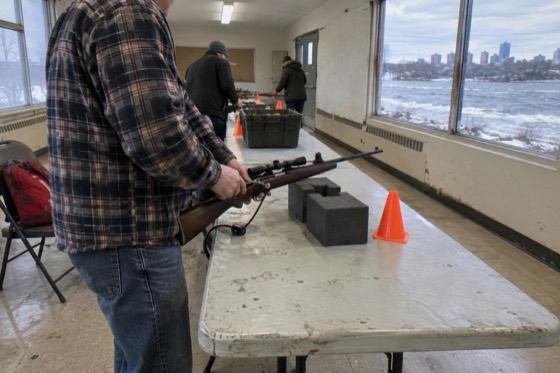 Recreation LicencesCanadian Firearm Safety Course And PAL Guide 2026The fastest realistic route to a Possession and Acquisition Licence (PAL) is the Canadian Firearms Safety Course (CFSC), about 8 to 10 hours in one…
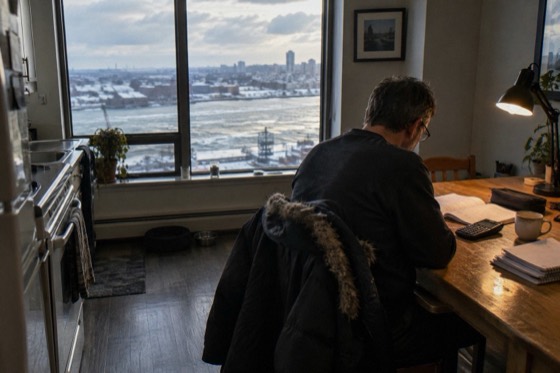 Degrees And AcademicGeneral Education Diploma In Canada (2026)The fastest route is the CAEC test series: eligibility is confirmed immediately, scheduling takes days to weeks, the five tests run hours across…
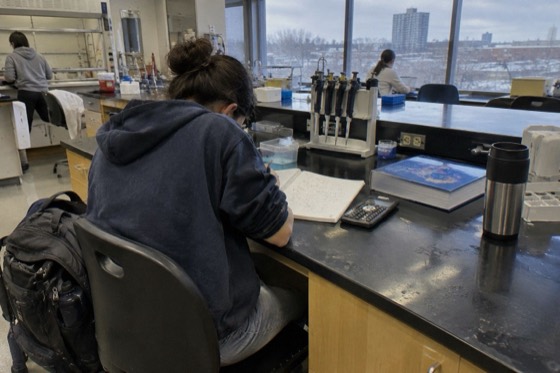 Degrees And AcademicBSc Degree In Canada 2026: Routes, Costs And PayThe fastest listed finish is Algoma University's 12-month accelerated computer science route for eligible transfer students; Athabasca University's…
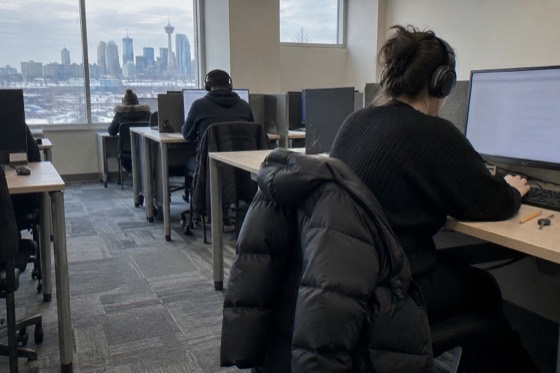 Languages And ImmigrationCELPIP Exam In Canada: Complete 2026 GuideThe fastest realistic route is direct booking at celpip.ca: seats are available within 2 weeks, the CELPIP-General sitting runs under 3 hours, and…
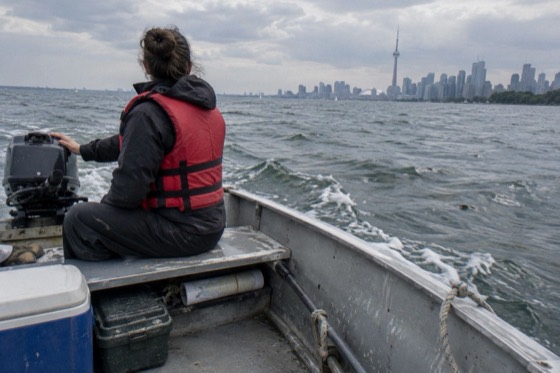 Recreation LicencesTop 9 Online Boat Courses For Canadians In 2026The fastest realistic route is a Transport Canada accredited online boating safety course and test: 3 to 5 hours, $30 to $70 CAD, a temporary card…
How Does Fiona Research Every Guide?
Every guide starts from primary sources rather than other course roundups:
- Wages: Job Bank, the Government of Canada wage data by occupation and province.
- Rules: provincial regulators, colleges and apprenticeship authorities.
- Immigration and language tests: IRCC pages and the official test owners.
- Programs: official program pages for length, fees and admission.
- Live checks: fees and course pages are checked on the live web during research.
Where a Coursera course is a sensible first step, Fiona names one and says what it will not give you. Some links earn a commission, and that never decides which course appears. Read more about Fiona.
Updated
Canada Courses Questions Canadians Ask
How Do I Choose The Right Course In Canada?
Start from the job, not the course. Check whether the work is regulated in your province, then compare the approved routes by length and cost. Each guide on this site lists those routes side by side, with the body that has to recognise the result.
Are Online Certificates Recognised In Canada?
That depends on who issues them. A certificate from a public college or a regulator approved program can count toward a licence. A certificate from an online platform shows you finished the course, and employers weigh it like any other training on a résumé.
Does A Coursera Certificate Give Me A Licence?
No. Coursera certificates are proof of completion, not provincial licences or college diplomas. For regulated work you still need an approved program and, where your province requires it, registration with the regulator.
How Can I Get Funding For A Course?
Federal and provincial student aid, employer training funds and, in some fields, tuition free provincial programs can all cover part of the cost. Every guide has a funding section that names the programs that apply to that credential, so start there.
Where Do The Wage Figures Come From?
From Job Bank, the Government of Canada site that reports low, median and high wages by occupation and province. Guides quote those figures and name the source next to them.
How Current Is The Information?
Guides are checked against official sources during research and refreshed when fees, rules or wages change. Each guide shows the date it was last updated.